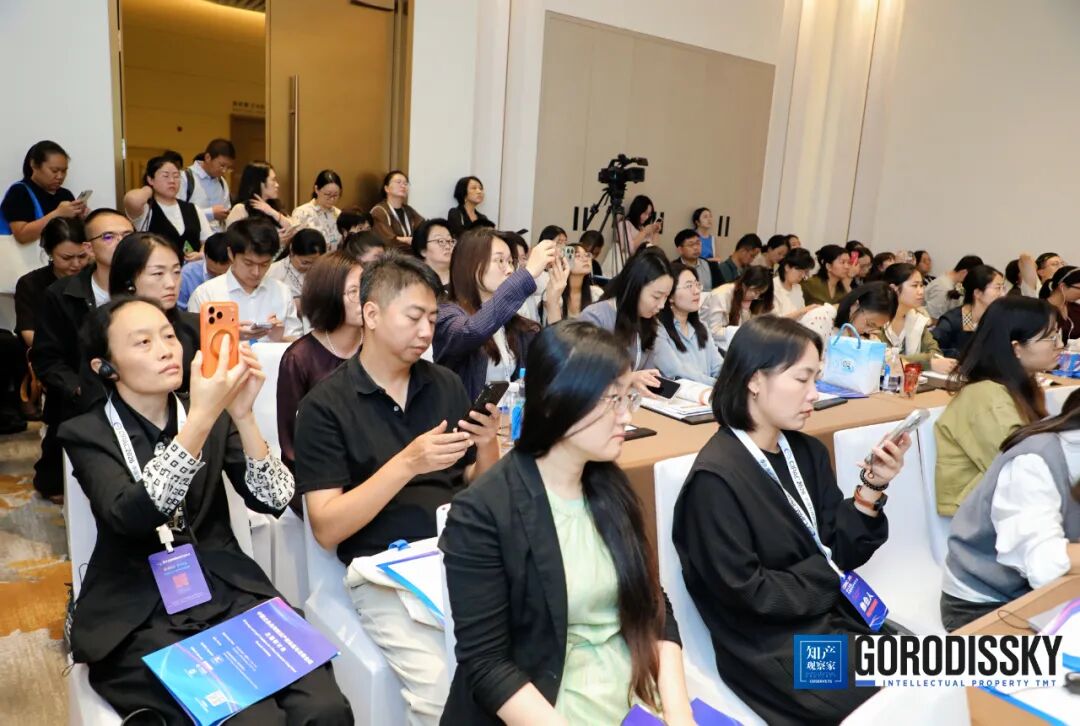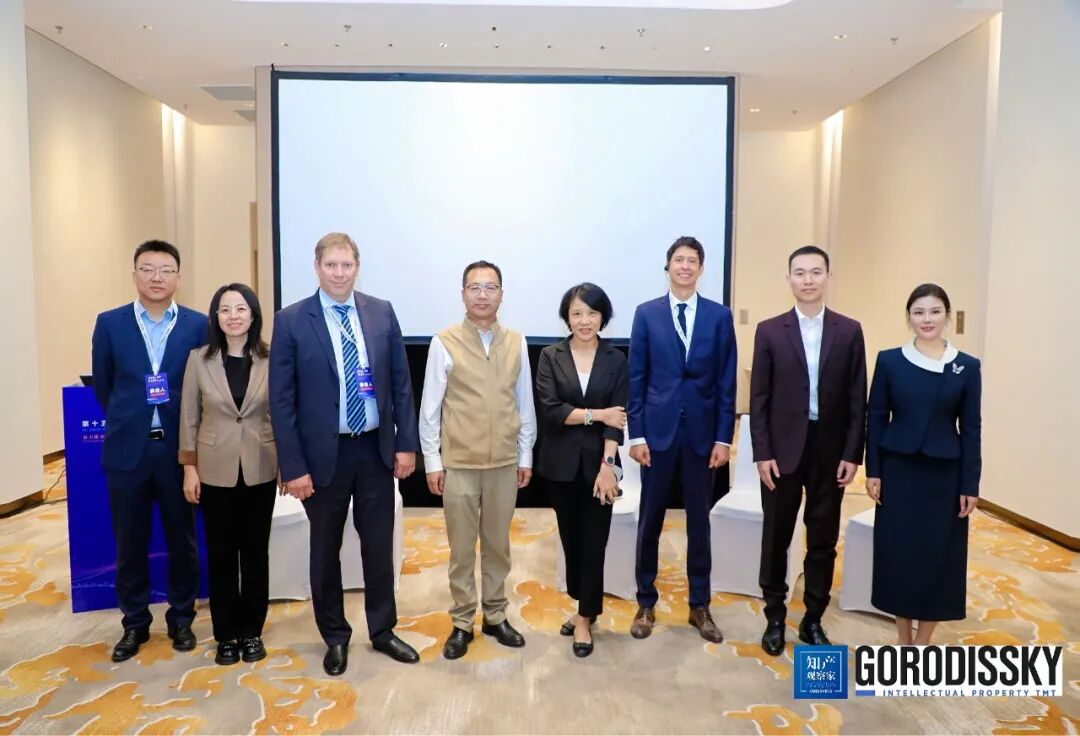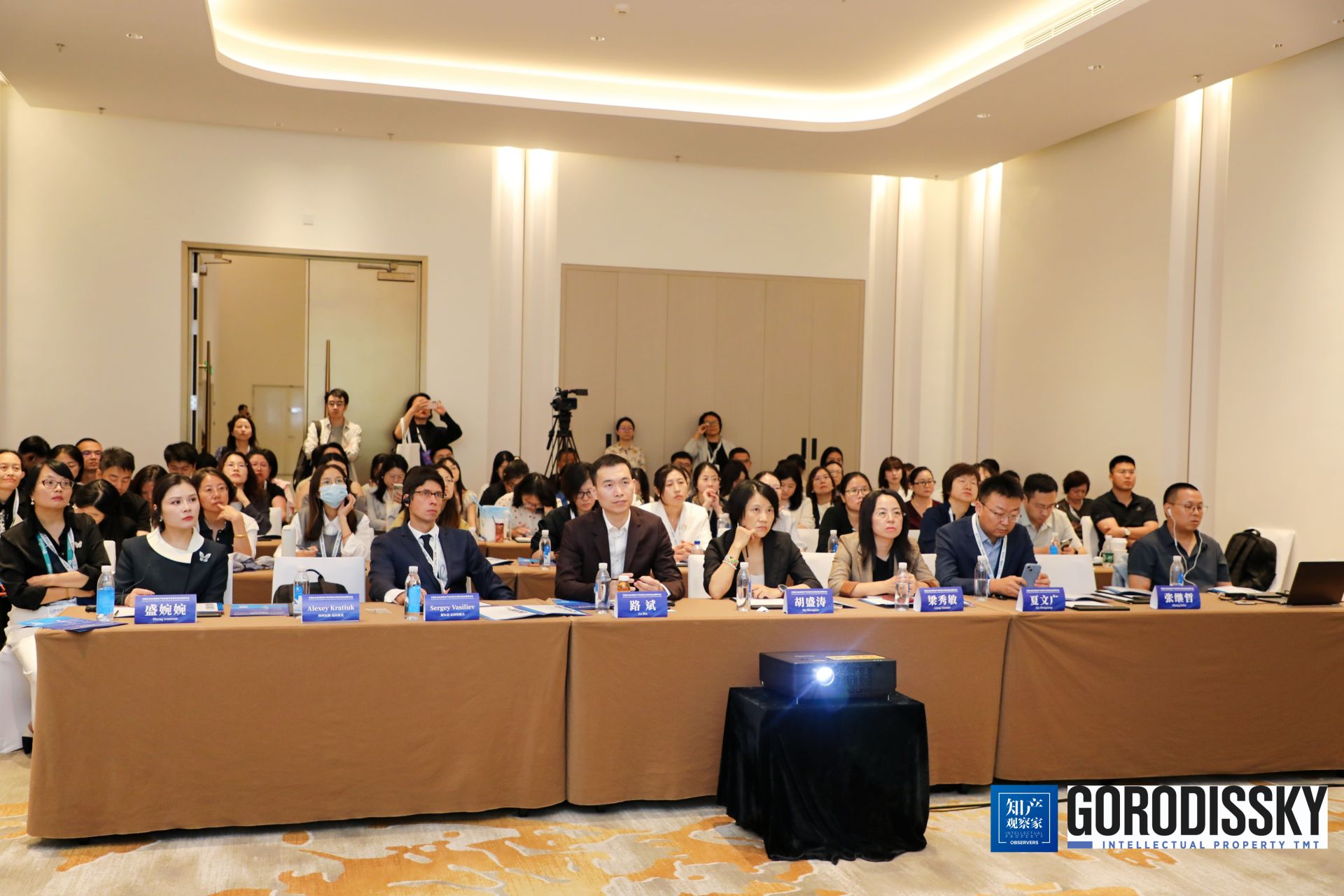


The 15th China Intellectual Property Annual Conference (CIPAC 2026) took place on September 8–9, 2026, at Phase II of the China National Convention Center in Beijing. As a highlight of this year's program, the IP Strategy and Legal Compliance for Chinese Enterprises Going Global workshop, organized by Intellectual Property Observers (China IP), addressed the IP pain points and compliance challenges that Chinese companies face as they expand overseas, with discussions spanning portfolio strategy, risk control, and dispute response.
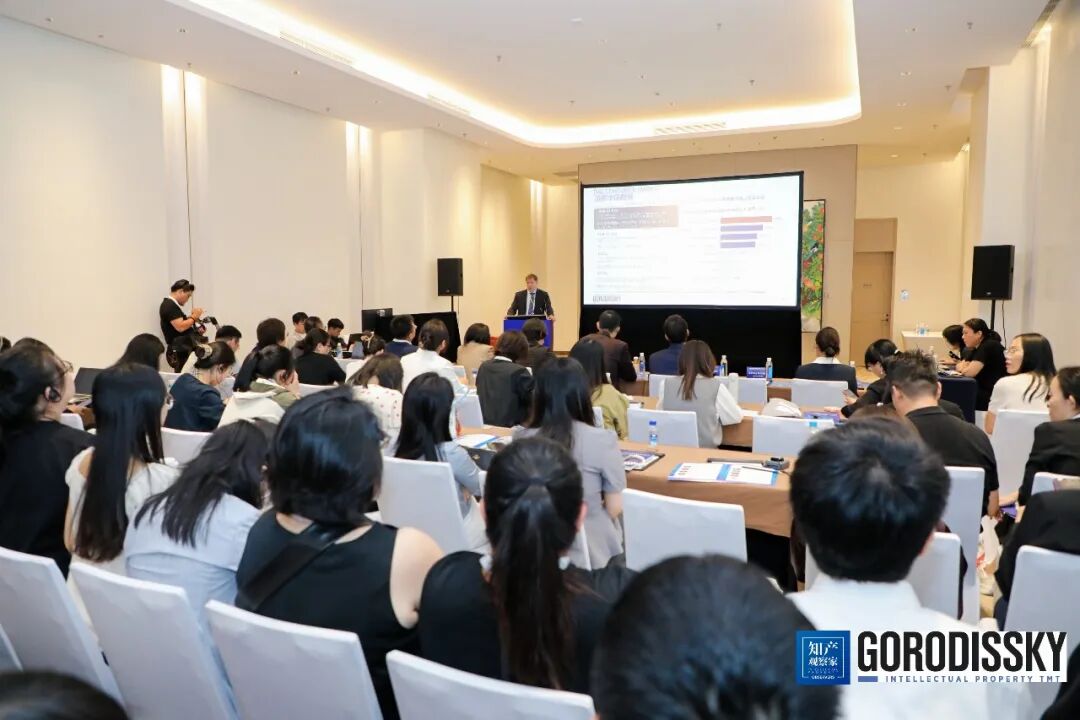
The workshop opened with keynote speeches from Liang Xiumin, IP Director of MegaRobo Technologies Limited; Alexey Kratiuk, Partner and Head of Trademark Department at Gorodissky & Partners; and Xia Wenguang, Deputy General Manager of the Legal Consulting Center at CN-KnowHow IP Group. Zhang Jizhe, Executive Director of the Beijing Globe IP Litigation Research Institute and President of Intellectual Property Observers (China IP), moderated the session.
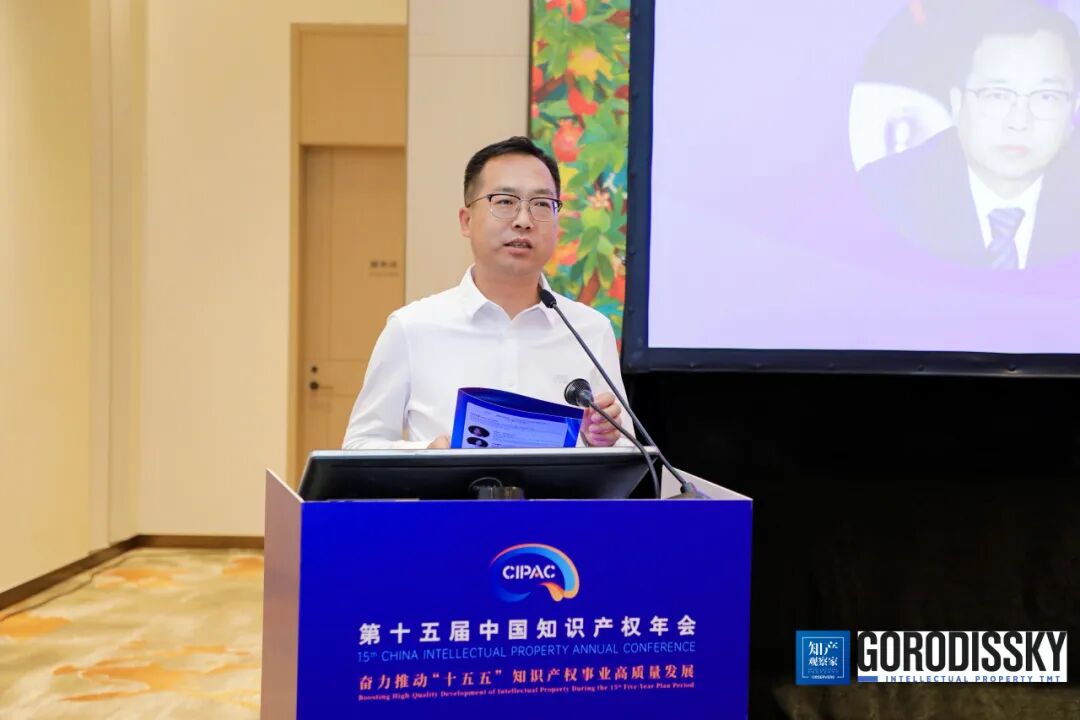
Zhang Jizhe, Executive Director of the Beijing Globe IP Litigation Research Institute and President of Intellectual Property Observers (China IP)
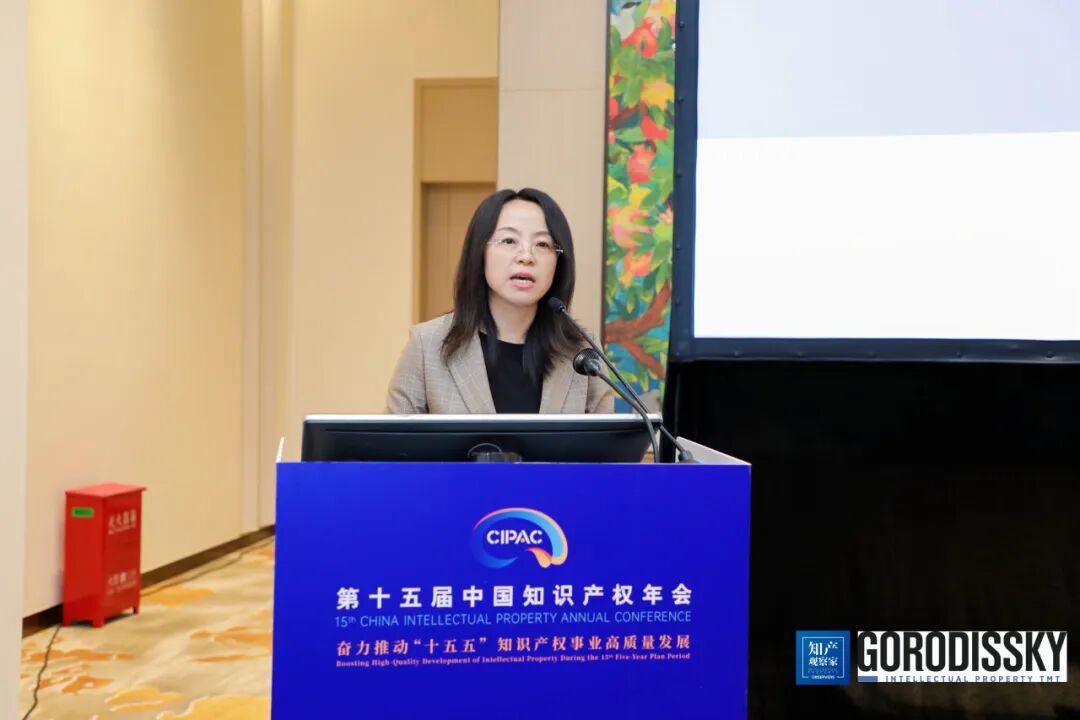
Liang Xiumin, IP Director of MegaRobo Technologies Limited
Liang Xiumin spoke on "IP Portfolio Strategy and Risk Control for Chinese Enterprises Going Global." Drawing on the China Intellectual Property Society's latest annual report, she mapped out the litigation landscape confronting Chinese companies abroad and argued that, budget permitting, they should prioritize IP filings in strong-protection jurisdictions such as Europe and the United States. On the operational side, she stressed that FTO clearance should not end with a report: once risks surface, R&D, product managers, and even project managers need to be brought in to drive design-around efforts. Where patents prove difficult to circumvent, companies should prepare stability analyses and invalidation reserves in advance, while also pursuing forward-looking filings informed by competitors' technological trajectory. She closed by urging companies to keep pace with tightening bilateral export controls between China and the United States—filing technology export license applications and contract records, clarifying IP ownership in international collaborations, and correctly determining inventor nationality to keep overseas expansion compliant.
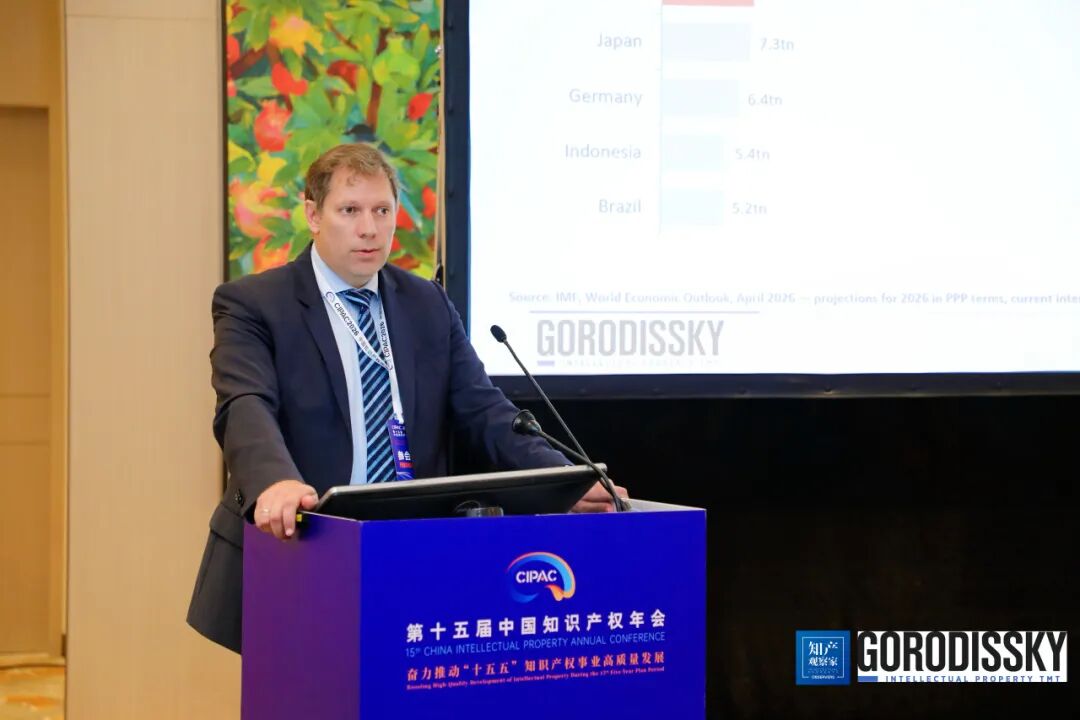
Alexey Kratiuk, Partner and Head of Trademark Department, Gorodissky & Partners
Alexey Kratiuk presented on "Trademark Protection Strategy in Eurasia (from the Perspective of Russian Law and Practice)." Russia, he noted, is one of the largest consumer markets in the Eurasian region, and foreign applicants there receive equal treatment in examination and rights protection. That said, Russian law does not treat Chinese characters as a separate trademark category—they are examined as figurative marks. If the meaning or transliteration of the characters is descriptive, misleading, or contrary to public order and good morals, the application may be refused, and protection does not automatically extend to Latin or Cyrillic variants. Drawing on cases such as MET TEA and De Wu, he explained that in assessing likelihood of confusion, Chinese characters are typically treated as a secondary element; it is the dominant alphabetic component that drives refusals. Against this backdrop, Kratiuk outlined five decisions companies should make before entering the Russian market: file first, sell second—Russia is a first-to-file jurisdiction, so file in your own name before goods hit the market, never through a distributor; register the versions you need—Chinese characters protect only their figurative form, so add a Latin version and, where the market warrants it, a Cyrillic one; check the meaning and the sound—engage a Russian agent to screen for descriptiveness, misleadingness, and phonetic risk to avoid refusals; use the mark as registered—deviations from the registered form can become grounds for a non-use revocation; and keep the registration current—if use is suspended, refile in good time, since a modified designation or a modified list resets the three-year clock.
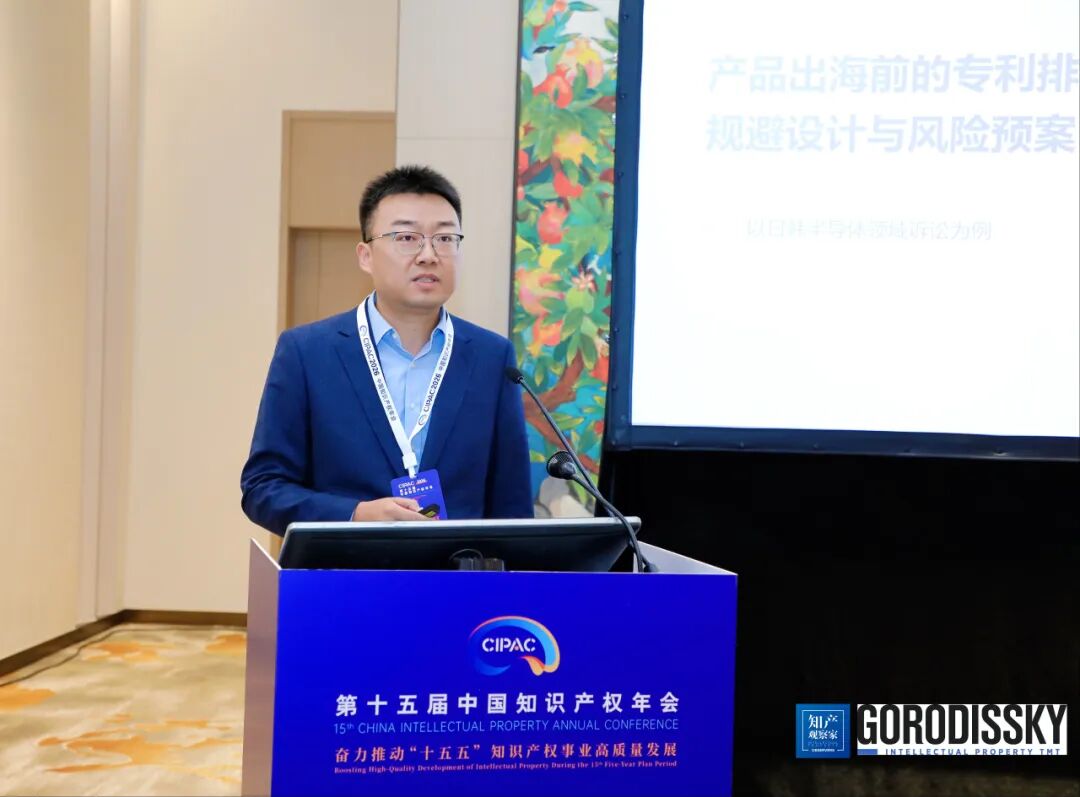
Xia Wenguang, Deputy General Manager of Legal Consulting Center, CN-KnowHow IP Group
Xia Wenguang delivered a talk titled "Navigating Overseas Patent Pitfalls: FTO Search, Design Around, and Risk Contingency Planning Before Product Launch." He grouped overseas patent risks into three recurring patterns: NPE strikes, competitor market blockades, and hidden upstream or downstream patents, with the semiconductor sector emerging as a particular hotspot. Using ChangXin Memory Technologies as a case study, he traced how a latecomer can break through patent barriers. The essence of FTO, he argued, is not counting how many patents exist but assessing whether the company is likely to end up as a defendant. He walked through a six-step FTO methodology and a four-step design-around approach, cautioning that a second FTO clearance is essential once a design-around is complete, and recommending differentiated responses calibrated to risk level.
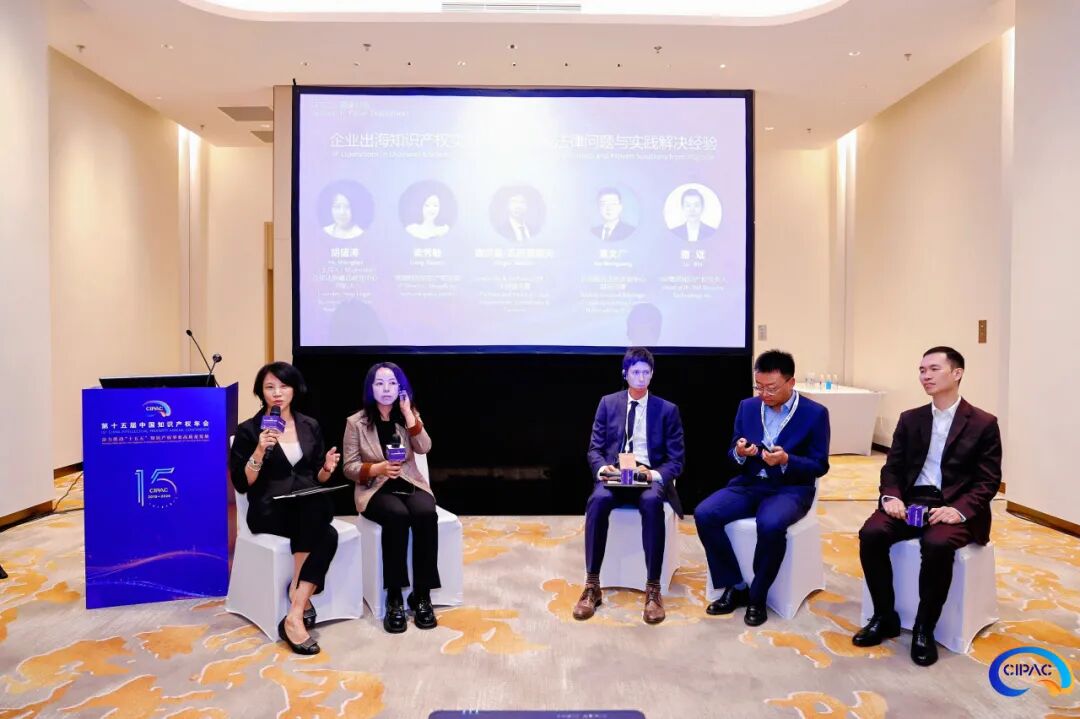
The workshop concluded with a panel discussion moderated by Hu Shengtao, Founder of the Heqi Legal-Business Integration Research Center and former IP General Manager at Ping An Insurance Group. Joining her were Liang Xiumin; Sergey Vasiliev, Partner and Head of Legal Department at Gorodissky & Partners; Xia Wenguang; and Lu Bin, Head of IP at 360 Security Technology Inc. The panel explored three themes: Pre-Launch Clearance & Strategy, Internal Decision-Making When Disputes Arise Overseas, and Cross-Jurisdictional Collaboration and Management of External Resources.