

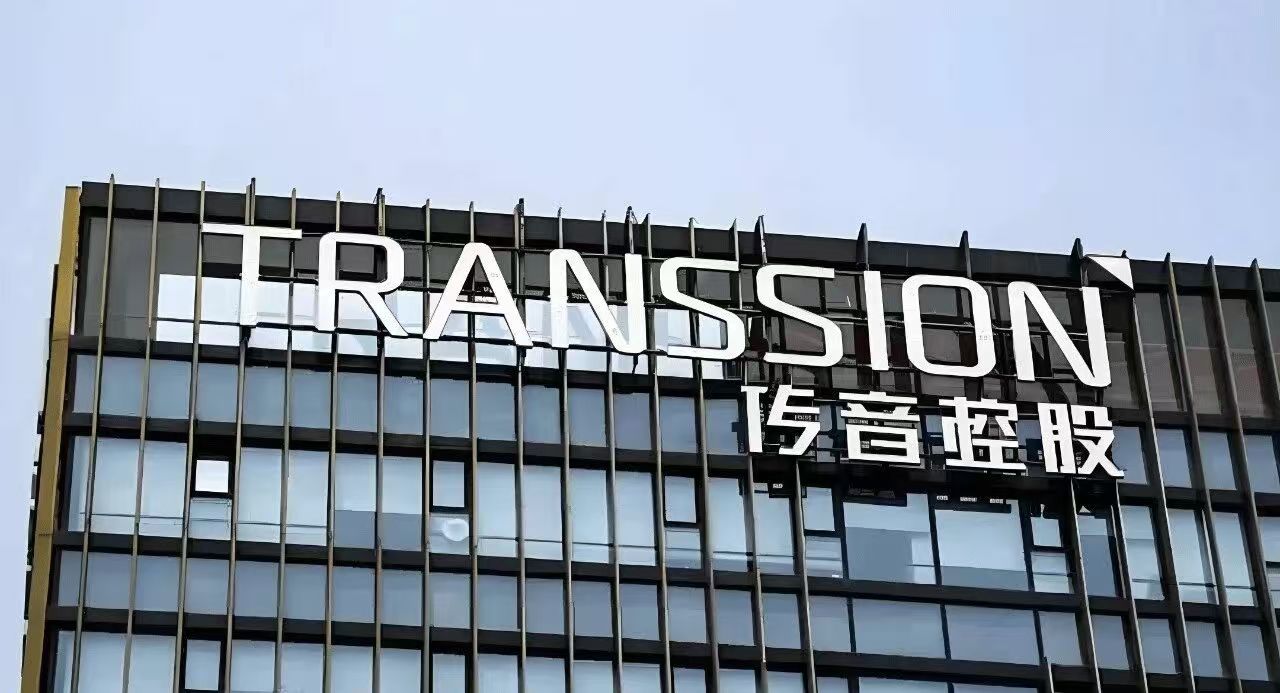
Chinese smartphone maker Shenzhen Transsion Holdings has secured its first patent invalidation victory in China against U.S. technology company InterDigital, a ruling that comes as the two companies remain locked in multi-front patent litigation across Brazil, India and Europe.
A Rare Home-Court Win
China National Intellectual Property Administration ruled on July 30 that InterDigital's 4G patent ZL201410042484.6 lacked inventive step and declared it invalid in its entirety, according to an official announcement. The patent, which covers dynamic resource allocation and scheduling technology for LTE wireless communications with a priority date dating to 2007, was challenged by Transsion, which sells smartphones under the Itel, Infinix and Tecno brands.
The patent review panel accepted evidence submitted by Transsion—3GPP document Evidence 3—as the closest prior art and based its invalidation decision on that evidence combined with common general knowledge in the field.
Transsion has filed invalidation challenges against at least four InterDigital patents before the Chinese patent office. The July 30 ruling represents the first decision to be issued, with the remaining three still under review. Those three patents were previously challenged separately by Huawei, Lenovo and Oppo, and the patent office in each case issued a partial invalidation ruling.
Global Counteroffensive Intensifies
The Chinese victory for Transsion comes as InterDigital has pressed ahead with enforcement actions elsewhere. In April, a Brazilian court granted InterDigital a preliminary injunction barring Transsion from selling 5G devices in that market. In July, the Delhi High Court ordered Transsion to deposit a pro tem security equal to one-fifth of its last licensing counteroffer. InterDigital has also filed suits in the Unified Patent Court covering several European countries, all of which remain pending.
The financial and legal risks stemming from these global disputes have been formally acknowledged by Transsion in its updated Hong Kong listing prospectus filed on June 18, 2026, where the company disclosed that it has made provisions for contingent liabilities related to pending SEP litigation with InterDigital, Ericsson and LG Electronics. The company faces eight legal proceedings in total, seven involving SEPs, filed between 2025 and 2026 across Europe and several Asian jurisdictions. As of early August, Transsion had settled with Ericsson, while cases against InterDigital and LG Electronics remain active.
China: InterDigital's Largest Revenue Market
The commercial stakes are substantial. China has become InterDigital's largest source of patent licensing revenue, with the company reporting $309.3 million in Chinese revenue for 2025, surpassing $262.5 million from South Korea and $239.4 million from the United States, according to InterDigital's financial disclosures. The company's licensing revenue from China has grown from just $11.1 million in 2019 to over $300 million annually, with almost all major Chinese handset makers — with the notable exception of Transsion and Huawei — having signed license agreements with InterDigital.
With Transsion ranking as one of the few remaining major Chinese handset makers without a license, InterDigital has strong commercial incentive to secure a deal — making the Chinese invalidation ruling a potentially valuable bargaining chip for Transsion.
What Lies Ahead
Analysts tracking the Chinese SEP landscape say Transsion's invalidation win, while limited to a single Chinese patent, represents a meaningful tactical victory that could bolster its negotiating position in global settlement discussions. However, they caution that the remaining three invalidation challenges, which have survived prior partial invalidation attacks by other Chinese manufacturers, may prove more difficult to win.
The ultimate outcome of the dispute may hinge not only on judicial rulings across multiple jurisdictions but also on whether the two companies can bridge their differences on FRAND rates — a gap that has widened despite years of negotiation. For Transsion, the question now is whether this home-court win can translate into leverage at the negotiating table — or whether InterDigital's victories in Brazil and India will ultimately carry more weight in determining the final terms of a global settlement.