

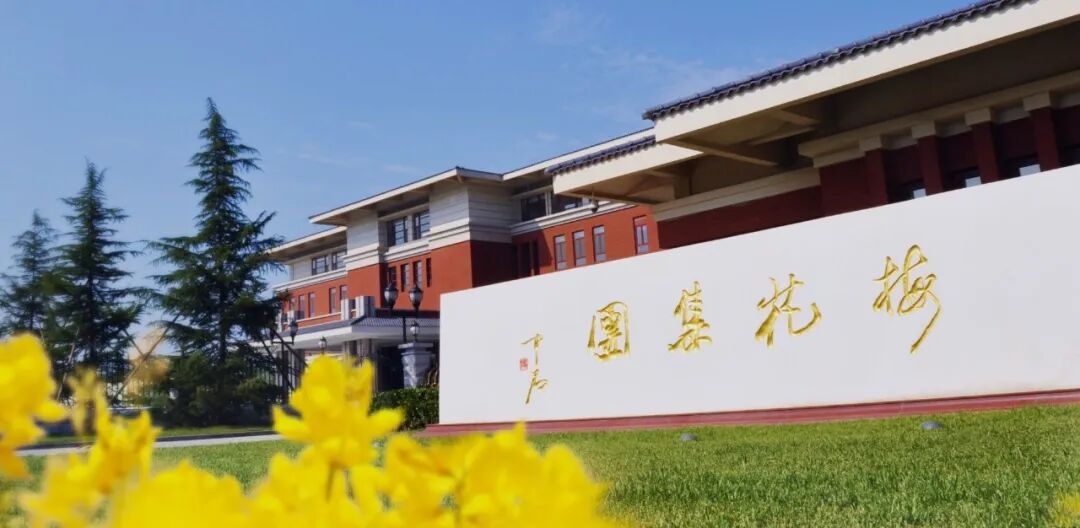
Photo: Meihua Group
Meihua Group, China’s largest monosodium glutamate (MSG) producer, has been sued by Japan’s Ajinomoto Co. for alleged patent infringement concerning core amino acid production technologies. The case highlights the ongoing competitive tensions between two dominant players in the global glutamate industry.
Founded in the 1990s and listed on the Shanghai Stock Exchange since 2010, Meihua entered the MSG market in 2000 and has grown into one of the world’s largest amino acid manufacturers. In 2020, Meihua’s production of MSG and lysine surpassed one million tonnes each. For the year 2024, the company reported RMB 25.07 billion in revenue and RMB 2.74 billion in net profit.
Ajinomoto, established in 1909 as the first commercial MSG producer, posted more than USD 10 billion in revenue in 2022. Although both companies’ MSG products rely on similar technical processes, Ajinomoto differentiates itself through high purity and global branding, while Meihua competes on scale and cost efficiency.
In a recent stock exchange filing, Meihua revealed that it had received civil complaints from the Guangdong High People’s Court, which has accepted two lawsuits filed by Ajinomoto. The Japanese company alleges that Meihua, along with three wholly-owned subsidiaries—Tongliao Meihua, Xinjiang Meihua, and Jilin Meihua—used patented technologies without authorization in their MSG manufacturing and sales.
Ajinomoto is asserting infringement of Chinese Invention Patent No. 200580045189.5, “Microorganism Producing L-Glutamic Acid and Method for Producing L-Glutamic Acid,” and Patent No. 201480005332.7, “Method for Producing L-Amino Acids.” The company is seeking a court order to halt the manufacture, sale, and use of the accused products, destroy relevant equipment and inventory, and pay RMB 130 million for each patent, totaling RMB 260 million.
Meihua stated that it has a longstanding partnership with Ajinomoto and has reached multiple intellectual property agreements with the company concerning MSG technologies. The company emphasized its respect for intellectual property rights and said it will continue operations as usual while actively addressing the litigation and taking legal steps to protect its interests and those of its shareholders. Meihua added that the cases have not yet gone to trial, and the financial impact is uncertain.
The lawsuit comes as Meihua expands its global footprint, including the 2025 acquisition of the amino acid and HMO businesses of Kyowa Hakko, Japan’s second-largest amino acid producer after Ajinomoto.
Meihua has faced significant legal challenges in the past. The company was involved in a commercial trade secret dispute with Shandong Fufeng Fermentation Co., Ltd., which had filed a lawsuit in 2014 over allegations of misappropriating trade secrets related to xanthan gum production. After nearly a decade of litigation, the Supreme People’s Court ruled in 2024, ordering the defendants to cease infringement and pay RMB 15 million in damages.
In February 2025, Shandong Fufeng filed another lawsuit seeking RMB 1 billion in damages,asserting that Meihua and the other two defendants had failed to cease their infringing activities and had reaped substantial profits from the infringement since 2012. However, before the case proceeded to substantive hearings, the parties reached a court-facilitated settlement, with Meihua agreeing to pay RMB 233 million as a one-time resolution of the xanthan gum-related technology dispute. Shandong Fufeng withdrew its claims and waived any future compensation rights. Meihua also secured a permanent, non-exclusive license to the relevant technology, effectively resolving the dispute.
The settlement with Shandong Fufeng offers a potential resolution model for high-value intellectual property disputes, which could influence the outcome of the current patent litigation with Ajinomoto. However, as the case remains in its early stages, the final outcome remains uncertain.